The Matching Set Myth: Why Rooms Need Not Match
A matching set is not the only route to a coherent room. Use a weeklong plan to build a furniture mix around daily routines, focal points, and clear purpose.
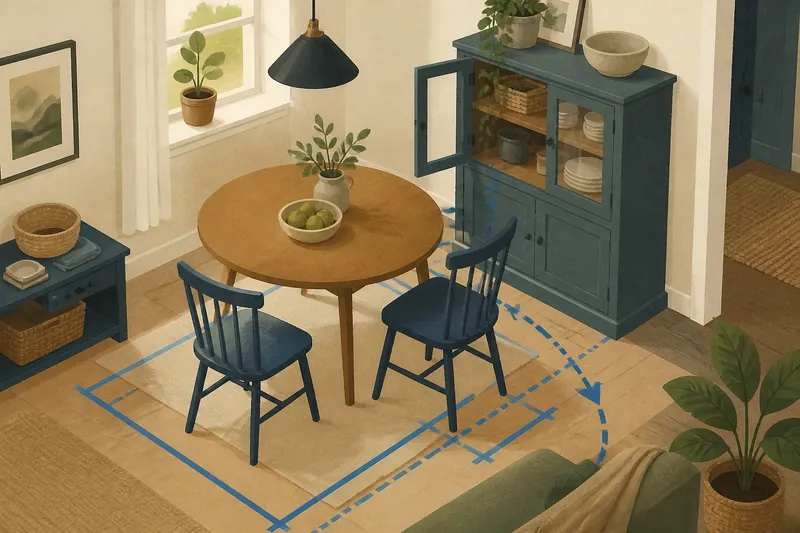
You pull out a chair to reach the dining table, but its back catches the cabinet door. Before deciding the room needs matching furniture, look at how each piece works in the space. A useful mix begins with daily routines, clear pathways, and a place for every large item.
This weeklong plan helps you assess the room before you add or move furniture. It focuses on use and placement rather than coordinating finishes or shapes.
Day one: map the room’s daily routines
Write down the activities that happen in the room, such as eating, reading, working, or storing linens. Note where each one happens now and what interrupts it. A dining chair that blocks a cabinet is a different problem from a table that leaves no clear place to walk.
Sketch the room on paper, including doors, windows, radiators, and outlets. Add the furniture that must stay. This rough map makes it easier to separate a styling concern from a practical one.
Day two: mark the paths people use
Walk through the room as you normally would. Mark the paths between the doorway, seating, storage, and any frequently used surfaces on your sketch. Watch for doors and drawers that need to open without colliding with another piece.
Use painter’s tape to outline a proposed furniture footprint on the floor. Then walk around it and open nearby doors or drawers. If a route feels awkward, revise the layout before shifting heavy furniture. Ask someone to help move large or unstable pieces.
Day three: choose a focal point for each activity
Give each main activity a clear center. A dining table can anchor meals; a reading chair can face a lamp and bookcase; a desk can sit where its user can work without crossing the room repeatedly. The focal point is about how the room functions, not about making every item match it.
Check that the supporting furniture serves that center. A side table should be reachable from the seat that uses it. A storage cabinet should be accessible without moving a chair each time.
Say your living room has a sofa, a floor lamp, and a bookcase across the room. If reading is awkward because books are far from the seat, move a small book basket beside the sofa first. The expected observable result is easier access without committing to a larger furniture change.
Day four: place storage where items collect
Notice where everyday belongings land: keys by the entry, blankets near the sofa, or dishes beside the dining area. Put storage close to the point of use when the room allows it. A basket can handle soft items, while a drawer or cabinet can keep smaller objects out of sight.
Check that the storage piece does not obstruct a route or access to another item. If it does, try a different location or a smaller container before replacing furniture.
Day five: test comfort and reach
Sit in the usual seats and try ordinary actions. Reach for a drink, open a drawer, stand up, and walk to the door. Notice where you have to twist, stretch, or shift another piece out of the way.
Make one change at a time, then repeat the same actions. This keeps the cause of any improvement or new obstacle clear. For heavy furniture, get help and follow the manufacturer’s moving guidance.
Day six: check what the layout asks you to move
A room may look tidy while requiring constant rearrangement. Pay attention to chairs that must be shifted to open a cabinet, baskets that block a walkway, or a table that gets moved before every meal. Those small interruptions point to a layout issue.
Use this review to decide what to adjust:
- Doorways: Check whether furniture narrows or blocks a route. If entry feels obstructed, move the item away from the opening; if the route is clear, keep its position.
- Doors and drawers: Open each one fully. If it hits furniture, reposition the obstacle; if it opens freely, leave the clearance as it is.
- Seating: Sit down and stand up from each usual seat. If another piece must be moved, shift that piece or try a different seat location; if movement feels easy, keep the arrangement.
- Surfaces: Reach for the table or shelf used during an activity. If it is inconvenient, move it closer or choose a different support; if it is easy to reach, retain its placement.
- Storage: Put away the items that usually collect in the room. If they still have no practical home, relocate storage near where they gather; if they fit without blocking access, keep the storage there.
- Lighting: Turn on the lamp used for reading, work, or meals. If the light does not serve the activity, reposition the lamp or the activity area; if it is useful from the intended spot, keep both where they are.
Day seven: keep the changes that survive a normal day
Live with the revised arrangement through ordinary routines. Use the room as you usually do, rather than judging it only from the doorway. If a piece repeatedly gets in the way, revisit its location; if the room works without extra shifting, the layout is doing its job.
Imagine a small dining area with a table beside a cabinet and two chairs that block its doors. The starting inputs are the existing table, chairs, cabinet, and the routine of opening the cabinet during meals. First, sketch the door swing and mark the table’s footprint with painter’s tape. Next, pull each chair out as if someone were sitting down, then open the cabinet. If a chair blocks the doors, move the table away from the cabinet and repeat the motions; if the route then feels cramped, try placing one chair elsewhere when it is not in use. The resulting decision is to keep the arrangement that lets diners sit and reach the cabinet without repeatedly moving furniture, even if that means using a chair only when needed.
How can you tell whether a furniture layout works?
Should furniture be centered on the room?
Not necessarily. Centering can help in a balanced room, but doors, windows, and everyday routes may call for an offset arrangement. Keep the layout that supports the room’s actual use.
How do you arrange furniture around a doorway?
Keep the entry path clear and account for doors that swing open. Mark the path on a sketch or with painter’s tape, then check it by walking through the room.
What should you move first when a room feels crowded?
Start with the item that interrupts a routine or blocks access. Move one piece at a time and repeat the same activity to see whether the obstruction is gone.
When should you replace a piece of furniture?
Consider replacement when a piece cannot serve its intended purpose in any workable position, or when it does not fit the room’s needs. Try a layout change first if the problem is access or placement.
A room can contain furniture from different sources and still feel settled when each item supports a routine and leaves a usable path. Keep the sketch and note the arrangement that works; they will help you make a more focused choice if you add another piece later.